The six basics for your disaster supplies kit should include
- Water
- Food
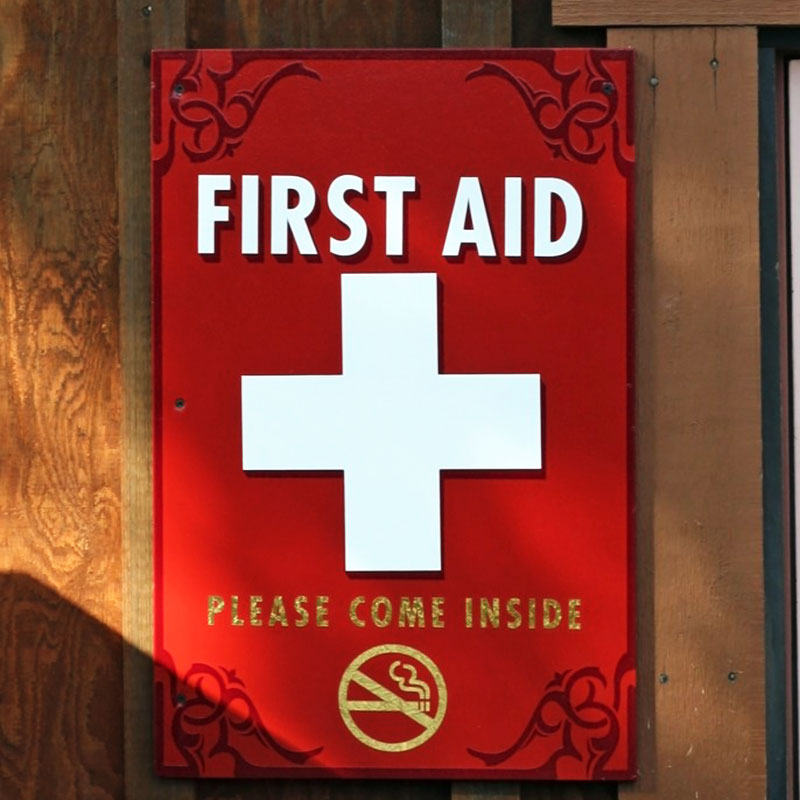
- First aid supplies
- Clothing and bedding
- Tools and special items
Water
Water is the most essential element in any supplies kit. You can go for weeks without eating, but only a few days without water. Keep at least a three-day supply of drinking water for each person — two quarts a day for adults, even more for children, the elderly, and nursing mothers. You’ll need additional water for food preparation and hygiene. It is best to store at least one gallon per person, per day.
Never ration water. Drink what you need for today and try to find more for tomorrow. Store water in plastic containers, such as soft drink bottles or milk jugs. Or, just buy bottled water. It should be kept in a dark area, preferably on the ground.
You can purify water by boiling it, adding water purification tablets or adding household liquid bleach that contains 5.25% sodium hypochlorite. Do not use scented bleaches, colorsafe bleaches or bleaches with added cleaners. Add 16 drops of bleach per gallon of water, stir and let stand for 30 minutes. If the water does not have a slight bleach odor, repeat the dosage and let stand another 15 minutes.
If you’re caught without water, use the water in your hot water tank, the water left in your pipes, ice cubes and -- as a last resort -- the water in your toilet tank (not the bowl).
Food
Always have a two-week supply of food on hand. The best emergency foods are non-perishables that don’t need cooking. Remember, you may not be able to use your gas or electric stove. Emergency cooking can be done in the fireplace or outdoors on a charcoal or propane grill or camp stove.
Stock foods high in nutrition and non-thirst provoking. Familiar foods can help ease the trauma of change and provide a feeling of security. Don’t forget any special dietary needs. Make sure you have a manual can opener and disposable utensils.
First Aid Supplies
It’s best to have a first aid kit in your home and each car. A first aid kit should include:
- A First Aid Manual

- Sterile Adhesive Bandages in Assorted Sizes
- Sterile Gauze Pads
- First Aid Tape
- Triangular Bandages
- Roll Bandages
- Scissors
- Tweezers
- Antiseptic Wipes (towelettes)
- Thermometer
- Petroleum Jelly
- Assorted Sizes of Safety Pins
- Isopropyl Alcohol
- Antiseptic Soap
- Aspirin or Non-Aspirin Pain Reliever
- Anti-Diarrhea Medication
- Antacid for Stomach Upset
- Prescription Drugs
- Nose and Eye Drops
- Hearing Aid Batteries
- Contact Lens Supplies

- Spare Eyeglasses
- Needle
Clothing and Bedding
Make sure you have at least one complete change of clothing and footwear for each person, including:
- Heavy Duty Work Clothes
- Sturdy Shoes with Extra Socks
- Rain Gear
- Sleeping Bag or Extra Blankets
- Hat and Gloves
- Thermal Underwear

Tools and Supplies
- Emergency Preparedness Manual
- Battery-Operated Radio with Extra Batteries
- Flashlights (more than one) with Extra Batteries
- Gas or Propane Lantern with Extra Fuel
- Candles and Matches in a Waterproof Container
- Fire Extinguisher
- Aluminum Foil
- Plastic Storage Containers
- Signal Flare
- Plastic Sheeting
- Whistle
- Needles and Thread
- Medicine Dropper
- Eye Protection Goggles and Dust Masks
- Shovel
- Hammer
- Pliers
- Screwdrivers — Regular and Phillips
- Pry Bar
- Knife
- Adjustable Wrench for Turning Off Gas Valve
- Toilet Paper, Towelettes
- Paper Towels
- Liquid Detergent
- Personal Hygiene Items
- Five-Gallon Plastic Bucket (with tight fitting lid, for use as emergency toilet)
- Plastic Garbage Bags and Ties (for disposing unsanitary materials)
- Disinfectant
- Rubber Gloves
Special Items
For Adults:
- Prescription Drugs
- Spare Eyeglasses
- Contact Lens Supplies
- Hearing Aid Batteries
- Denture Supplies
- Insect Repellent
- Mirror
- Insulin
For Babies:
- Diapers
- Milk or Formula
- Powdered Milk
- Bottles
- Children’s Medications
- Special Toys or Games
Important Documents Storage for Emergencies
Keep important documents in a portable, waterproof container.
- Wills, Insurance Policies, Contracts, Deeds, Stocks and Bonds.
- Passports, Social Security Cards and Immunization Records.
- Bank Account and Credit Card Numbers.
- Copies of Family Records — Birth, Marriage and Death Certificates.
- Reading and Writing Materials.

Money for Emergencies
A “stash of cash” is best after a disaster. Credit cards might not be accepted and bank machines may not be working.